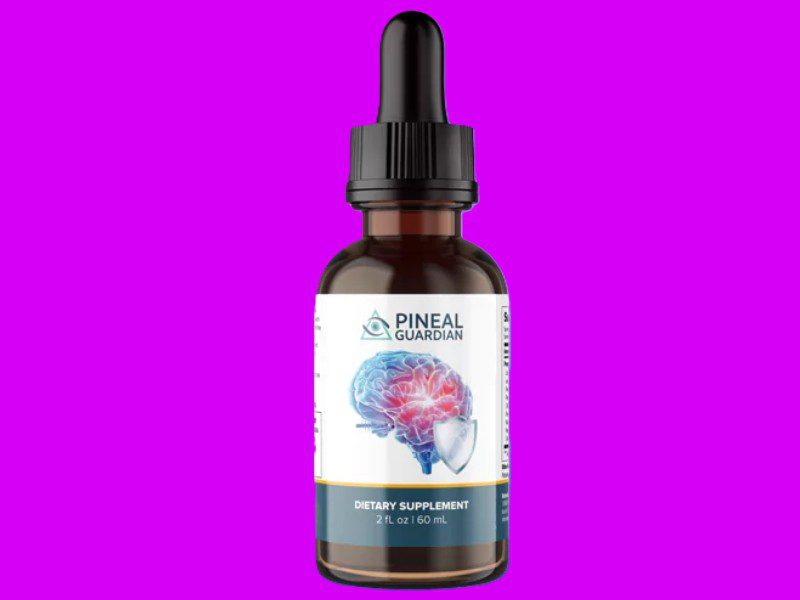
The pineal gland, often referred to as the “third eye,” is a small, pea-shaped endocrine gland located in the brain. However, recent studies have brought to light the presence of toxic minerals that can accumulate in the pineal gland, posing potential health risks. These toxic minerals, particularly fluoride, aluminum, and mercury, are referred to as “pineal guardian review (pineal-guardian-reviews.com) guardian toxic minerals” due to their detrimental effects on the gland’s function and overall neurological health. It is responsible for the production of melatonin, a hormone that regulates sleep-wake cycles and circadian rhythms.
By enhancing alpha brain wave activity, L-Theanine can contribute to a state of alert relaxation, making it easier for individuals to transition into sleep. Another significant component is L-Theanine, an amino acid commonly found in tea leaves. L-Theanine is known for its calming effects, which may help to reduce anxiety and promote relaxation without sedation.
Overall, it presents an intriguing option for those interested in natural supplements aimed at enhancing well-being. Further scientific research is needed to fully understand the effects of Pineal Guardian and its role in promoting pineal gland health. In conclusion, Pineal Guardian has received a mix of positive and critical reviews from users. While many individuals report benefits related to sleep quality and mental clarity, others have experienced side effects or remain skeptical of its claims. As with any supplement, individual experiences may vary, and potential users should consider their specific health needs and consult with a healthcare provider.
In conclusion, the Pineal Guardian X has received a mixed bag of reviews, reflecting a spectrum of user experiences. As the conversation around the pineal gland and its significance continues to grow, further research and user testimonials will be crucial in determining the product’s long-term standing in the health and wellness market. Ultimately, the decision to try Pineal Guardian X may depend on individual beliefs about wellness supplements and personal health goals. While many individuals report positive outcomes, there is a significant number of skeptics who question its effectiveness.
By prioritizing health and wellness, individuals can support the proper functioning of the pineal gland and promote better sleep, mood, and cognitive health. As research continues to unfold, it is crucial to remain informed about these toxic substances and take proactive measures to reduce exposure. In conclusion, the presence of pineal guardian toxic minerals, including fluoride, aluminum, and mercury, poses significant risks to the health of the pineal gland and, consequently, to overall well-being.
A significant portion of user feedback focuses on the product’s effects on sleep quality. However, it is important to note that individual responses to supplements can vary widely, and while some users experience positive effects, others may not notice significant changes. Many individuals report improved sleep patterns and a deeper sense of restfulness after taking Pineal Guardian. These claims are supported by the role of melatonin in regulating sleep, suggesting that the supplement may indeed assist in promoting better sleep hygiene.
Commonly cited ingredients include ashwagandha, which is known for its adaptogenic properties, and magnesium, which plays a crucial role in neurotransmission and relaxation. Users frequently express appreciation for the product’s formulation, noting that it is free from artificial additives and preservatives, which aligns with the growing demand for clean and natural supplements. Many reviews of Pineal Guardian highlight its natural ingredients, which often include herbal extracts, vitamins, and minerals believed to support pineal gland function.
Potential customers should approach such claims with caution, recognizing that personal testimonials are subjective and can vary widely. Moreover, the marketing strategies employed by Pineal Guardian may contribute to its perceived legitimacy. The product often highlights anecdotal evidence and testimonials, which can be persuasive but are not a substitute for scientific validation.
This report delves into various reviews and feedback from users to assess the effectiveness and credibility of the product. This gland is responsible for the production of melatonin, a hormone that regulates sleep-wake cycles and is associated with various physiological functions. The Pineal Guardian claims to support the health of the pineal gland, enhance spiritual awareness, and promote overall well-being. The Pineal Guardian is a dietary supplement that has garnered considerable attention for its purported benefits related to the pineal gland, a small endocrine gland located in the brain.
This disparity in user experiences raises questions about the product’s consistency and reliability. Some users report positive experiences, noting improvements in sleep quality and mental clarity. Others, however, have expressed skepticism about the product’s effectiveness, citing no noticeable changes after use. User reviews of Pineal Guardian present a mixed picture.